Silicon nitride is only as good as the process that makes it. Our forming and sintering fleet is sized for stable, repeatable, high-volume Si₃N₄ manufacturing — from powder to fully densified part.
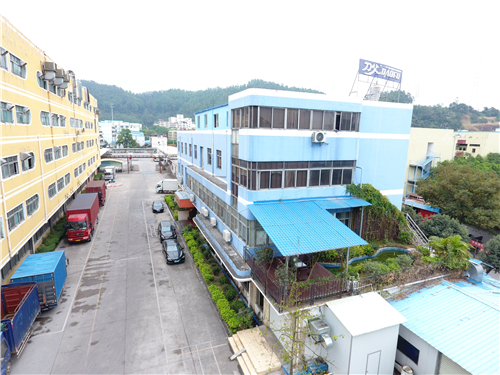
A balanced line-up of forming presses, dedicated substrate lines and multiple sintering routes (GPS / HIP / HP) lets us match each product to the optimal densification process — and scale it.
Uniform, all-around pressure produces green bodies with even density — ideal for large or complex Si₃N₄ blanks with minimal internal stress.
Servo-controlled dry pressing for high-throughput, dimensionally precise parts such as bearing-ball blanks, seal rings and small structural components.
Two dedicated lines for silicon nitride ceramic substrates used in AMB / power-module applications — controlled thickness, flatness and surface quality.
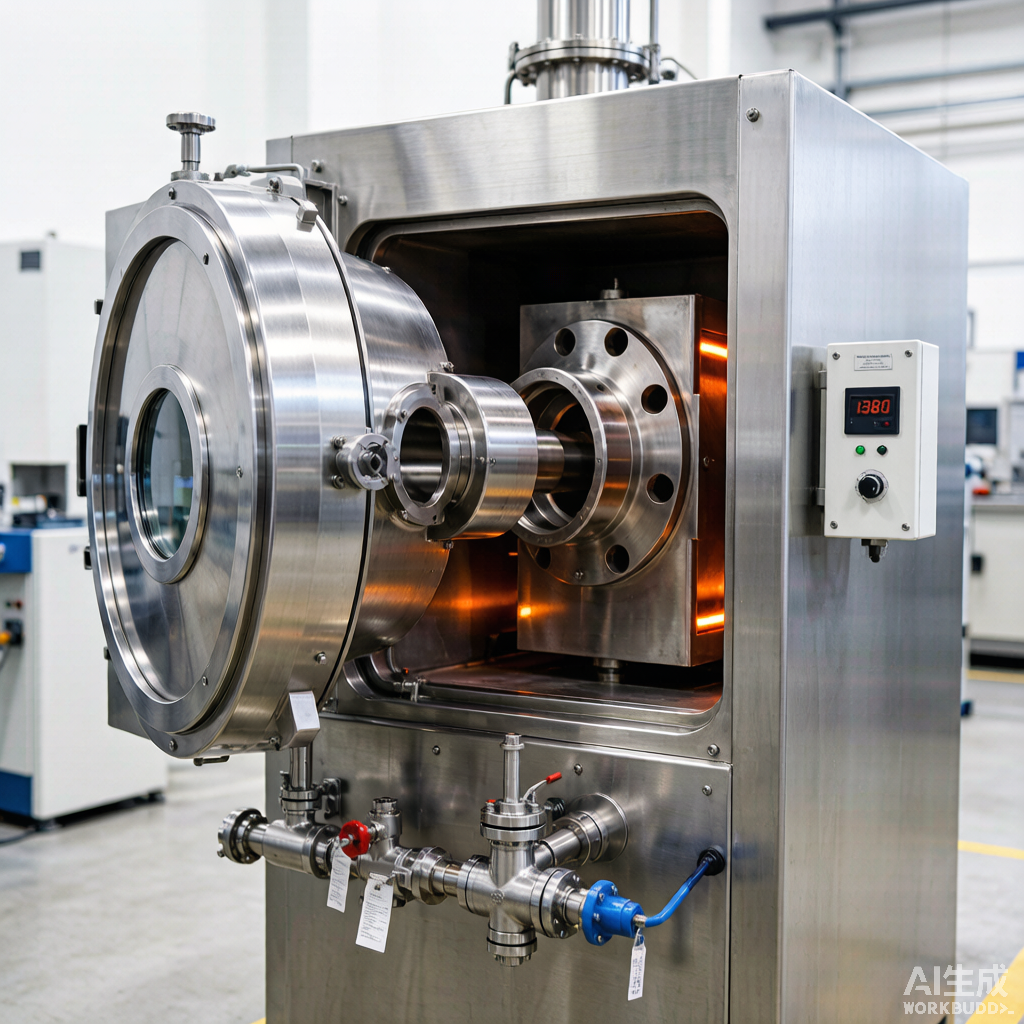
Fifteen GPS furnaces provide the nitrogen over-pressure needed to fully densify Si₃N₄ while suppressing decomposition — our workhorse for strength and toughness.
Nine HIP furnaces close residual porosity under high pressure and temperature, lifting reliability (Weibull modulus) for the most demanding parts.
Three hot-press furnaces deliver high-density, fine-grained plates and blocks with excellent mechanical properties for cutting tools and wear parts.
It depends on the geometry and requirements. GPS sintering is our default for dense, tough Si₃N₄; HIP is added when we need to close residual porosity and maximize reliability; hot pressing suits high-density plates and blocks. Tell us your application and we'll advise.
Gas-pressure sintering (GPS) applies moderate nitrogen over-pressure during sintering to prevent Si₃N₄ decomposition and reach high density. Hot-isostatic pressing (HIP) applies much higher isostatic gas pressure — often as a post-densification step — to eliminate remaining micro-porosity and improve Weibull modulus.
Yes. Servo dry presses and multiple furnaces let us run small development lots and scale to volume on the same qualified process, so parts stay consistent from sample to mass production.
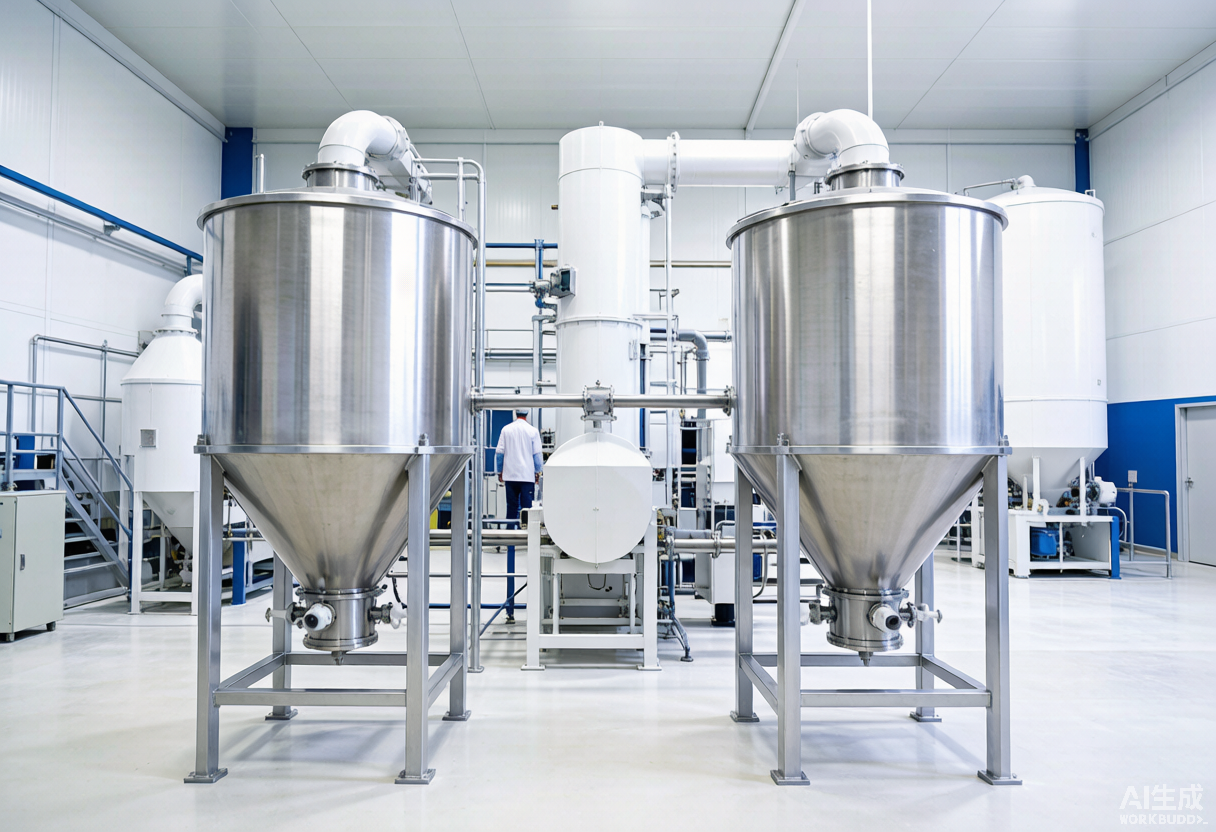
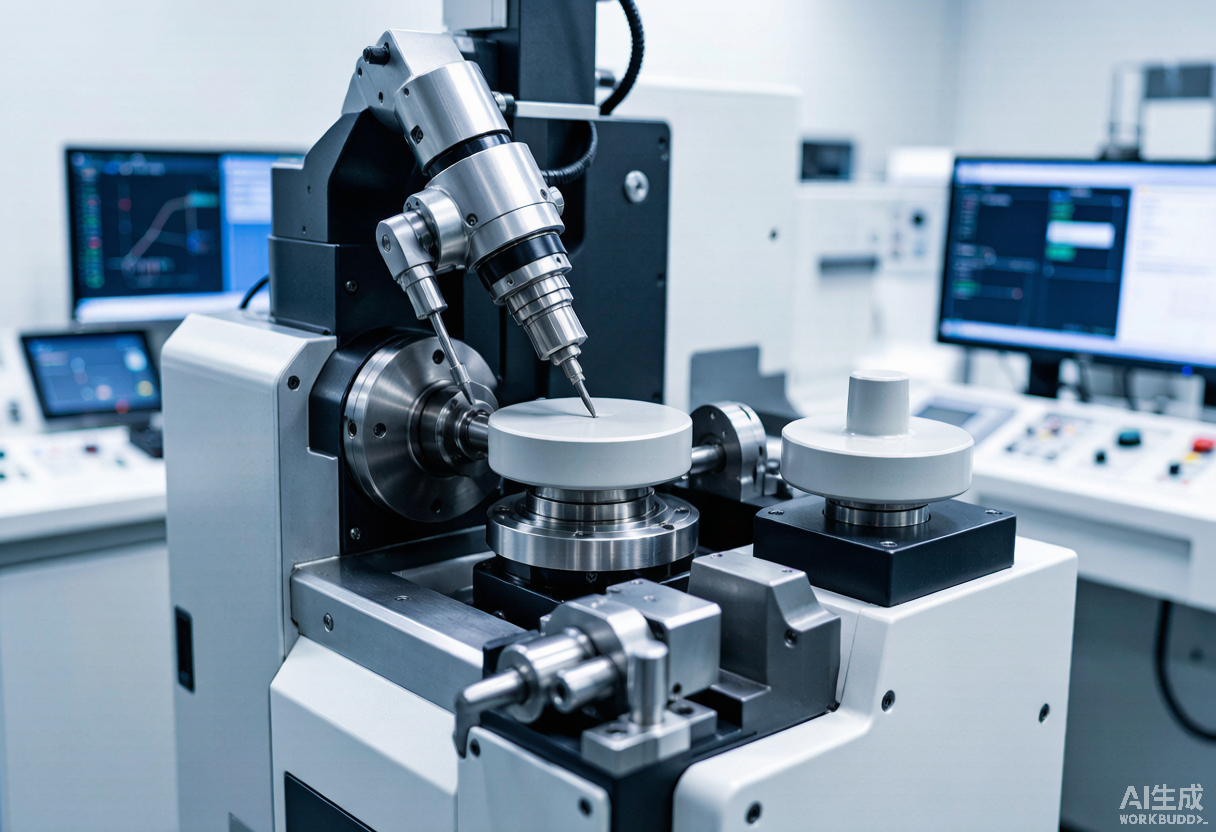
From powder handling to precision finishing — a look at the workshops, furnaces, labs and logistics behind every part. (Illustrative imagery; we will replace with our own plant photos before launch.)
Send us your drawing or requirements — we'll recommend the forming and sintering route and quote lead time.
Talk to an engineer