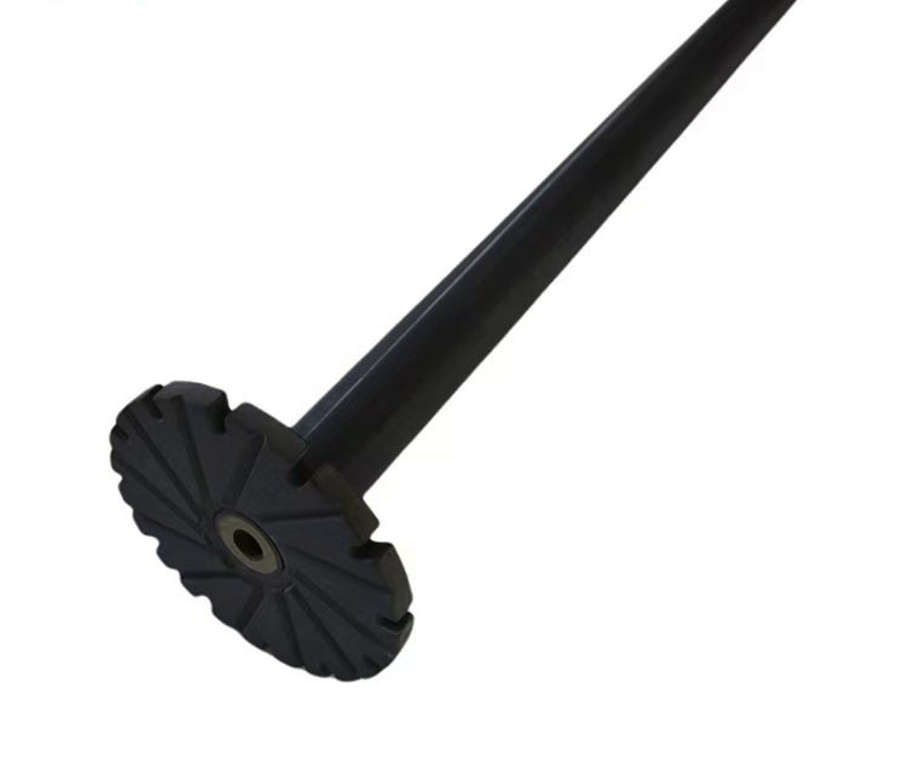
Degassing rotors
Submerged spinners that break argon or nitrogen into fine bubbles to strip dissolved hydrogen out of the melt. Custom vane geometry optimised for bubble size and gas usage — send us your current rotor or duty cycle.
Degassing rotors, riser (stalk) tubes and thermocouple protection sheaths for aluminium and magnesium casting. Molten metal is corrosive, thermally punishing and unforgiving of anything that flakes, wets or dissolves — which is why these parts are made from silicon nitride.
Every one of these parts lives submerged or partly submerged in liquid metal at 700–760 °C, and every one of them gets cycled — dipped, lifted, quenched, re-dipped. Steel sheaths scale and dissolve; graphite survives longer but is brittle, wets easily and sheds. Silicon nitride is essentially non-wetting and chemically stable against molten aluminium and most of its alloys, so it keeps its dimensions and its surface instead of slowly becoming part of the melt.
Submerged spinners that break argon or nitrogen into fine bubbles to strip dissolved hydrogen out of the melt. Custom vane geometry optimised for bubble size and gas usage — send us your current rotor or duty cycle.
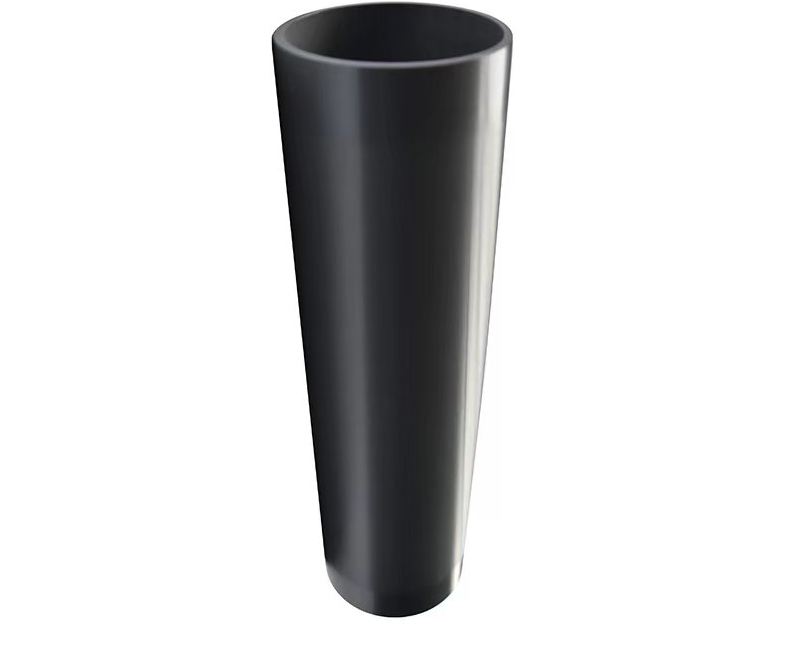
For low-pressure die casting of wheels and structural parts: hot at the bottom, cold at the top, melt creeping up the bore. Si₃N₄ takes the gradient without cracking and keeps the bore clean so flow stays consistent.
Inert and dimensionally stable, so the thermocouple reads true, the sheath does not contaminate the bath, and the reading stays trustworthy over a full campaign.
Also supplied: nozzles, ladle components and other parts that live in or above the melt. For magnesium service — more aggressive than aluminium — we confirm the exact alloy and temperature before recommending a grade.
| Property in molten Al / Mg service | Steel / Cast iron | Graphite | Si₃N₄ (NitriCeram) |
|---|---|---|---|
| Continuous service temperature | Moderate | Good | Excellent |
| Thermal-shock resistance | Poor | Good | Excellent |
| Corrosion by molten Al/Mg | High | Moderate | Very low |
| Wetting by molten metal | Yes (erosion) | Yes | No (non-wetting) |
| Typical degassing-rotor life | Days–weeks | Weeks | Months |
In aluminium casting, dissolved hydrogen is the enemy: it comes out of solution as the metal solidifies and leaves porosity. A spinning rotor breaks an inert gas into fine bubbles that carry the hydrogen out of the melt. The rotor runs fully submerged at 700–760 °C and is spun at thousands of rpm, so it must resist erosion, thermal shock from every dip, and attack by the flux-laden melt.
Steel rotors dissolve and erode within days; graphite survives longer but is brittle and wets easily. Our Si₃N₄ rotors typically run for months, not weeks, between change-outs — and the vane geometry is set by your duty cycle, not by a catalogue.
In low-pressure die casting for wheels and structural parts, a riser tube lifts molten aluminium from the furnace up into the die. It sits hot on the bottom and cold on the top, with the melt creeping up its bore — a brutal thermal gradient. A Si₃N₄ riser tube resists the gradient without cracking, does not react with the aluminium, and keeps the bore clean so flow stays consistent. That means fewer inclusions, fewer scrap parts, and less downtime for tube swaps.
Melt temperature is the single most-controlled variable in a foundry, and the sheath decides whether the reading is trustworthy. A steel sheath scales and reacts; a Si₃N₄ sheath stays inert and dimensionally stable, so the thermocouple reads true and the sheath does not contaminate the bath. For magnesium and high-temperature aluminium alloys the difference is even larger.
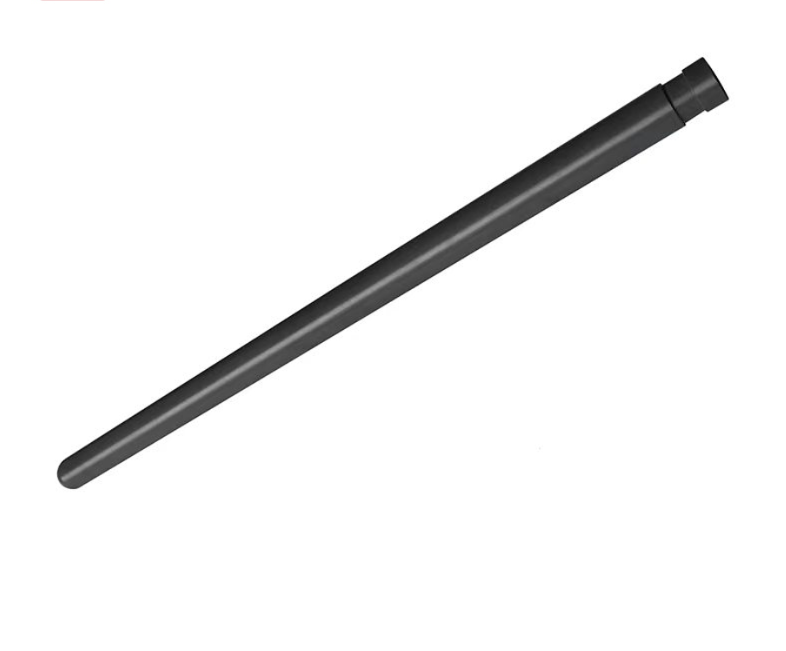
Inert, stable, and non-contaminating — the reading you build your process on.
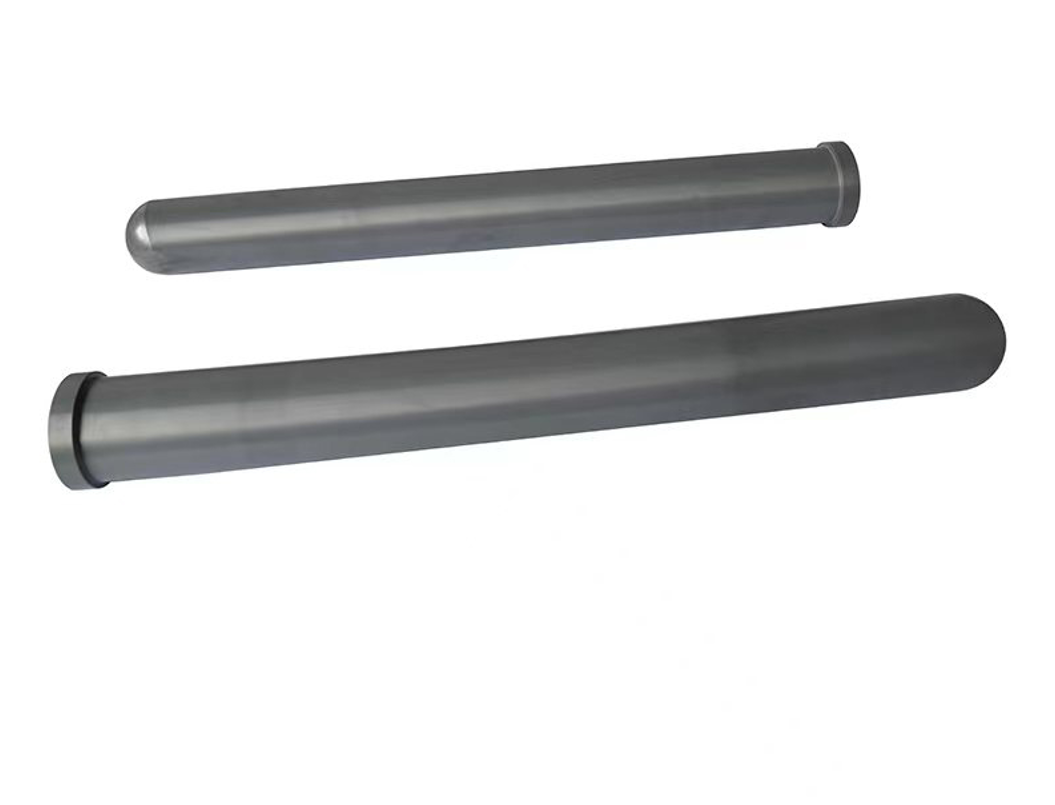
Shield the element from the melt and the melt from the element, without reacting with either.
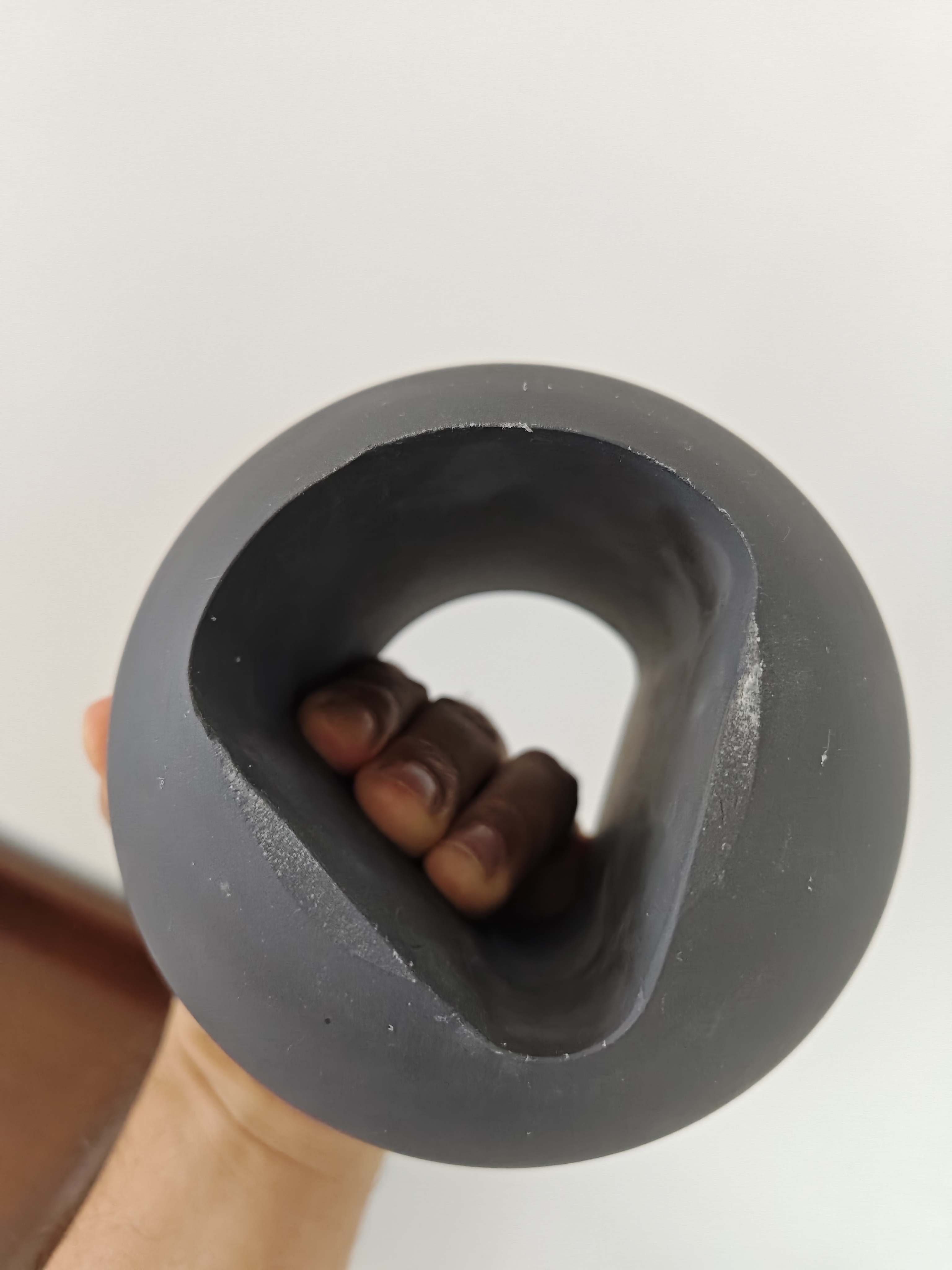
Pour and transfer hardware — nozzles, ladle parts and pump components — for aluminium, magnesium and zinc alloys.
NDA signed on request before drawings change hands.
NitriCeram is a brand of Shandong Dolphin Technology Co., Ltd., operating an integrated line from powder synthesis through forming, gas-pressure sintering, HIP, precision machining and in-house testing — so grade, density and finish are under one roof.
Send a drawing or your worn part and we reply within 24–48 hours with a recommended grade, finish and price. NDA signed on request before drawings change hands.
Reading first? See the technical article Silicon Nitride in Molten-Metal Handling: Degassing Rotors, Riser Tubes & Thermocouple Sheaths.